
Osteopath For Sciatica
Rated 5.0 by 100+ locals.
Helping you move beyond sciatic pain and discomfort.
Sciatica can turn everyday movement into a challenge: sharp pain down the leg, numbness, or a constant ache that won't settle. It's frustrating, especially when it affects sleep, work, or exercise. The good news is osteopathy can help.
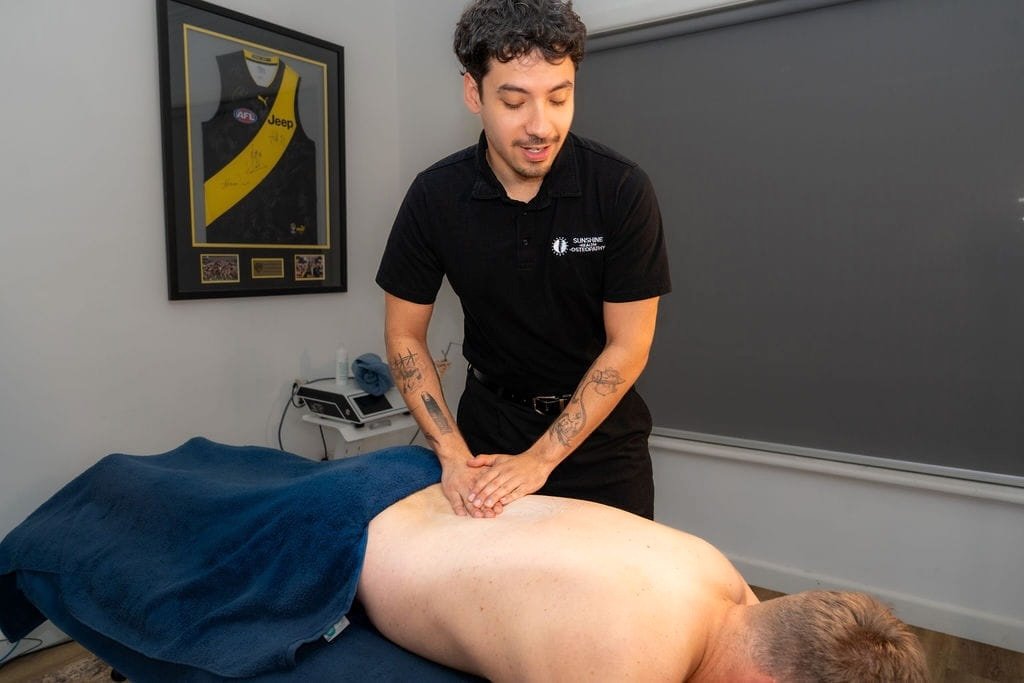
Our osteopaths assess your spine, hips, and pelvis to find what's actually irritating the sciatic nerve, whether that's disc pressure, muscle tightness, or joint restriction.
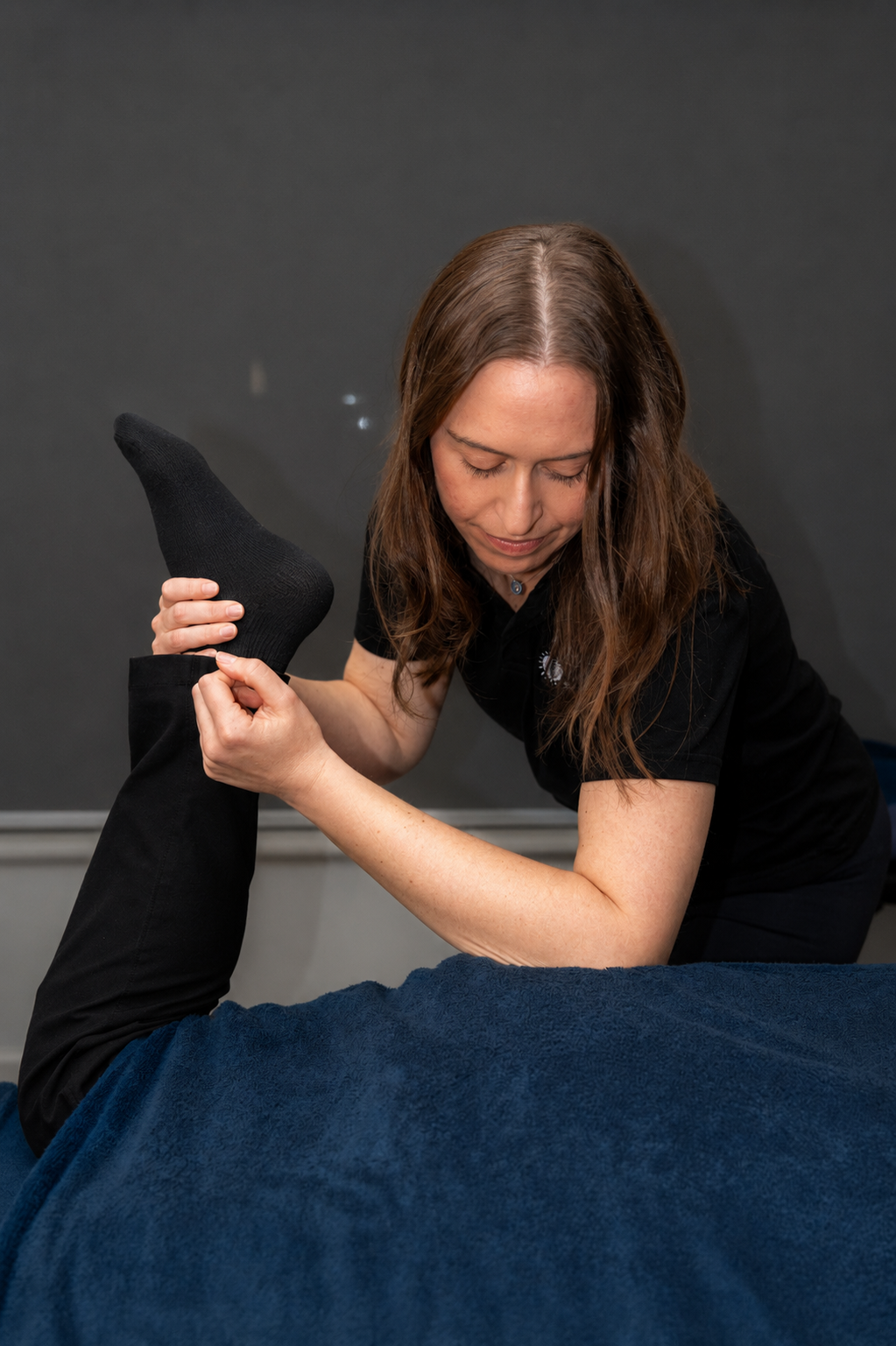
We use hands-on techniques including soft tissue work, joint mobilisation, and gentle stretching to ease pressure and restore normal movement.
Rather than just chasing the pain, we address the underlying mechanics so you get lasting relief.
Book your sciatica assessment today and start moving comfortably again.

Sciatic Pain Explained
Sciatica is caused by irritation or compression of the sciatic nerve, leading to pain, tingling, or numbness. Here's what may be causing your symptoms and how osteopathy can help.
-
Sciatica can develop when the sciatic nerve becomes irritated or compressed due to problems in the lower back or surrounding tissues.
Herniated or bulging discs
Spinal arthritis or narrowing
Tight buttock muscles
Poor posture
Pregnancy-related changes
-
Symptoms can vary, but they usually affect one side of the body and follow the path of the sciatic nerve.
Pain from the back into the leg
Tingling or pins and needles
Numbness in the leg or foot
Leg weakness
Pain when sitting or bending
-
Several lower back and pelvic conditions can irritate the sciatic nerve and cause symptoms.
Herniated discs
Lumbar disc injuries
Spinal stenosis
Piriformis syndrome
Degenerative disc disease
-
Osteopathy looks at how your body is moving to identify what's contributing to your sciatic pain. We'll assess your lower back, pelvis and surrounding muscles to better understand what's causing your symptoms.
Hands-on treatment can help ease muscle tension, improve joint mobility, and reduce pressure on the sciatic nerve. Every treatment is tailored to your individual needs and comfort.
We'll also provide practical advice and simple exercises to support your recovery, helping you move with more confidence and reduce the risk of future flare-ups.

Your path to sciatica relief starts here.
Whether your sciatic pain is recent or something you've been managing for a while, we're here to help you move more comfortably. Our osteopaths provide personalised care designed to ease symptoms, improve mobility, and support your recovery.
We'll take the time to identify what's contributing to your sciatic pain, explain our findings clearly, and create a personalised treatment plan with practical strategies to support your recovery and long-term mobility.
Our goal is to help you feel more confident in your body, so you can get back to work, exercise, and everyday activities with less pain. Book your sciatica assessment today and take the first step towards lasting relief.
Osteopath For Sciatica FAQ
-
Many people notice some easing of symptoms within the first few sessions, though this varies depending on the underlying cause. Your osteopath will give you a realistic timeframe after your initial assessment.
-
Not usually. Osteopaths can assess sciatica through clinical examination and movement testing, and will only recommend imaging if something atypical shows up.
-
Gentle movement is often encouraged rather than avoided, as staying still can sometimes worsen stiffness. We'll guide you on which movements help and which to modify.
-
Your osteopath will discuss your symptoms and history, then assess your spine, hips, and movement patterns. From there, they'll explain likely causes and outline a treatment plan suited to you.
-
In some cases, sciatica can improve with time, particularly if the irritation is mild. However, if your symptoms persist, worsen, or keep returning, it's a good idea to seek treatment. Early assessment can help address the underlying cause and reduce the risk of ongoing pain.
-
The number of sessions depends on the cause of your sciatica, how long you've had symptoms, and how your body responds to treatment. Some people notice improvement within a few visits, while others with more persistent symptoms may benefit from a longer treatment plan. Your osteopath will discuss what to expect after your initial assessment.