Joint Manipulation
What is joint manipulation?
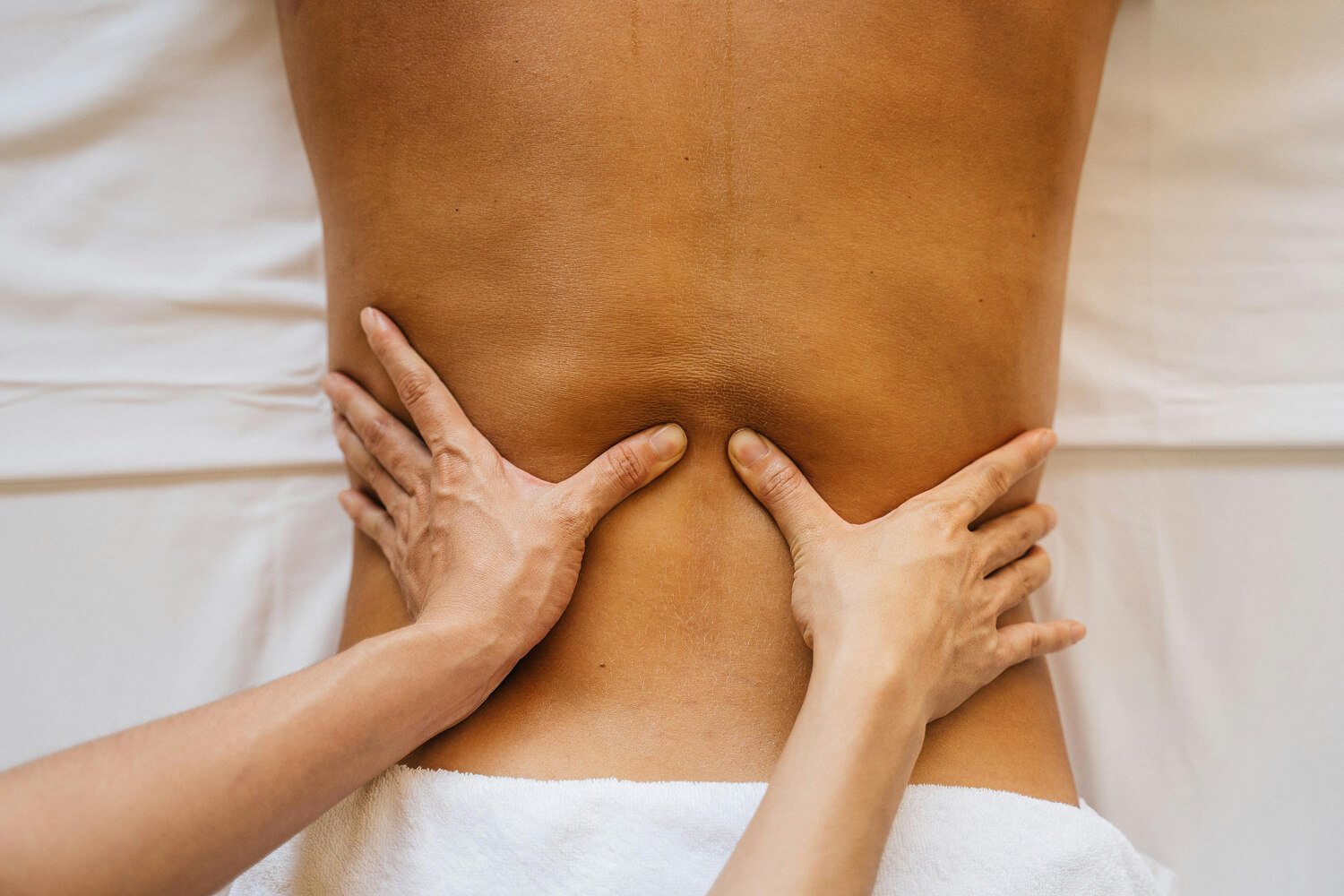
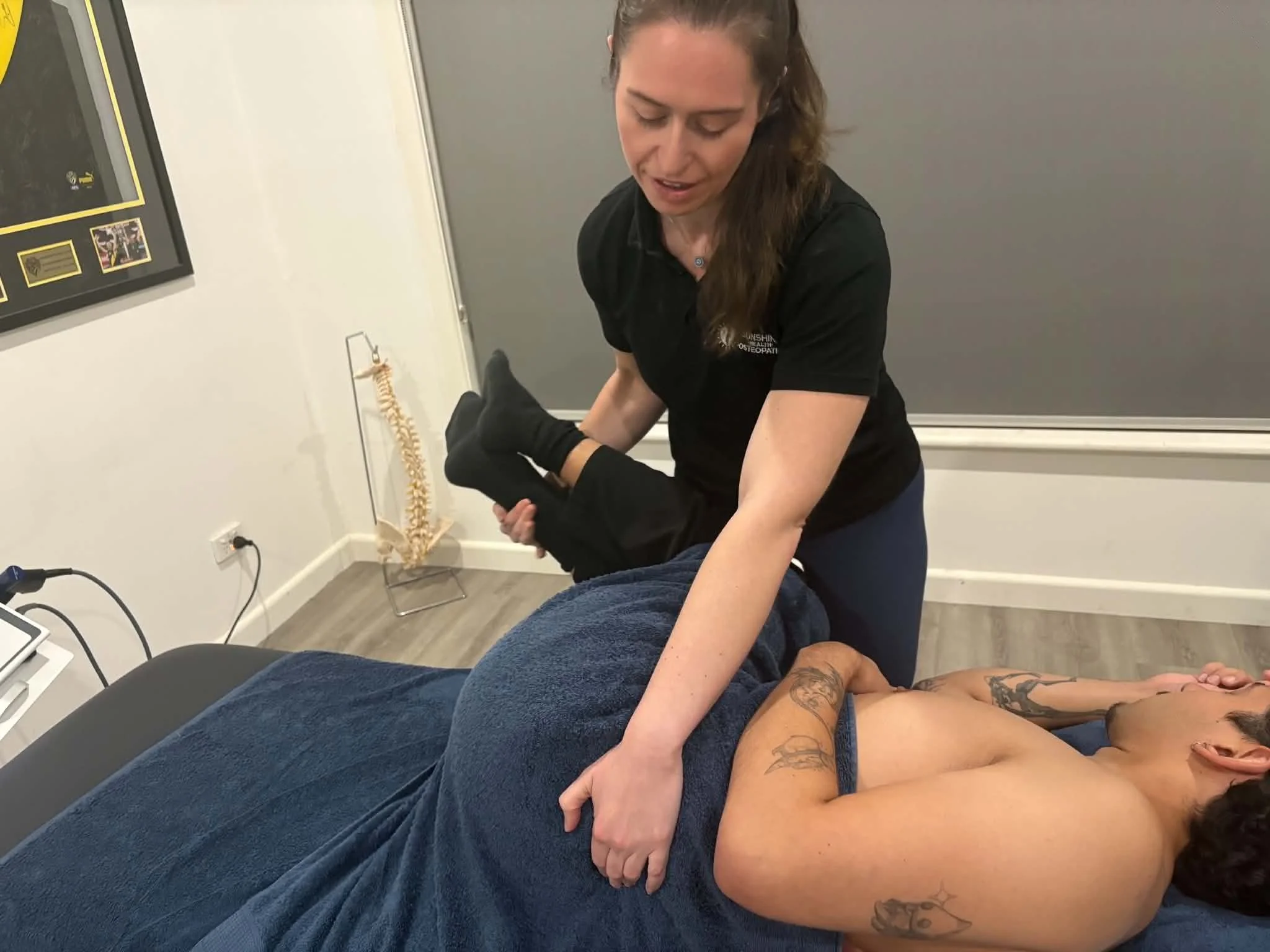
Joint manipulation is a hands-on technique used to improve movement in joints that feel stiff or restricted. Your practitioner applies a precise, controlled movement to the joint based on what’s found during your assessment.
Depending on your needs, gentler joint mobilisations may also be used to gradually encourage movement and reduce stiffness. The technique selected will depend on the area being treated and what feels appropriate for you.
Joint manipulation therapy can form part of a broader treatment approach, alongside techniques such as soft tissue massage, stretching, dry needling, or exercise rehabilitation to help improve overall movement and function.

What are the benefits?
Improves movement: Helps restricted joints move more freely.
Reduces stiffness: Eases areas that feel tight or difficult to move.
Supports function: Helps make everyday movements more comfortable.
Targeted approach: Focuses treatment on specific joint restrictions.
Adaptable treatment: Techniques are selected to suit your individual needs.
Complements rehab: Can support exercise and other hands-on treatments.
Joint Manipulation FAQ
-
Your practitioner will assess how the joint moves before deciding on an appropriate technique. Joint manipulation typically involves a quick, controlled movement applied to a specific joint, while mobilisation uses slower and more gradual movements.
-
Joint stiffness can develop for many reasons, including prolonged positions, repetitive activity, changes in movement or following an injury. An assessment can help identify which areas are restricted and whether hands-on treatment may be helpful.
-
Joint manipulation generally uses a precise, quick movement to improve mobility in a restricted joint. Joint mobilisations involve slower, repeated movements through a comfortable range. Your practitioner will choose the approach that best suits your presentation.
-
No. You may sometimes hear a click or pop during joint manipulation, but this isn’t required for the technique to be effective. The aim is to improve movement and function, rather than produce a particular sound.
-
Joint manipulation therapy may be considered for different areas of the musculoskeletal system, including joints of the spine and limbs. Whether it’s appropriate depends on your symptoms, mobility and findings from your assessment.
-
Joint manipulation is rarely about treating one joint in isolation. Your practitioner may also address surrounding muscles, movement patterns and strength to help improve how the area functions and support longer-term progress.