Why Does My Muscle Feel So Tight, and Can Dry Needling Help?
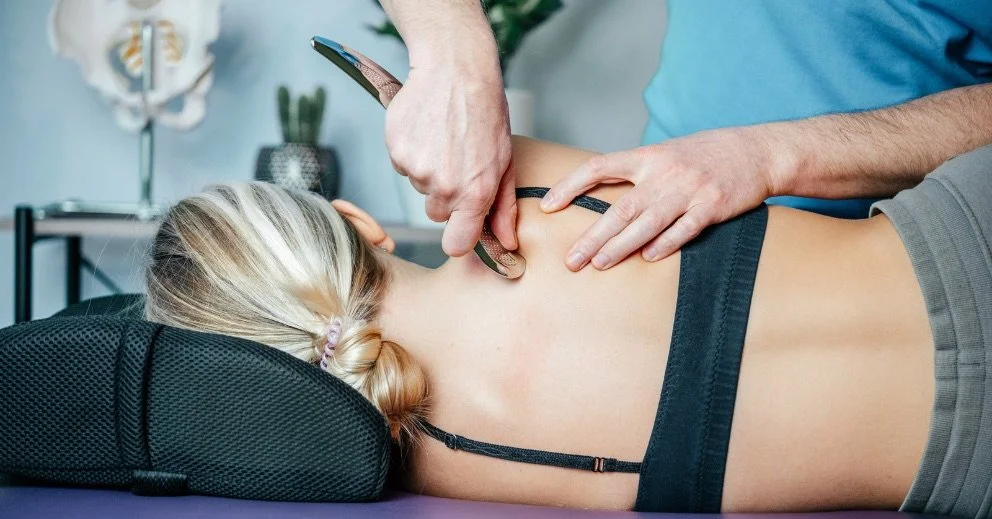
You're probably dealing with a stubborn patch of muscle that just won't settle no matter how much you stretch it.
That tight, ropey spot under the skin has a name: a trigger point. And one of the more effective ways to treat it is a technique called myofascial dry needling.
TLDR: Dry needling uses fine needles to release tight bands within a muscle, often called trigger points, that cause pain, stiffness and restricted movement. It's commonly used alongside osteopathic treatment for conditions like neck and shoulder tension, lower back pain and sports-related muscle tightness. Most people feel a dull ache during treatment and some muscle soreness for a day or two afterwards.
What's Actually Happening When a Muscle Feels Tight?
A tight muscle isn't always about being unfit or inflexible. Often it's a sign that a small section of muscle fibre has gone into a sustained contraction and won't let go on its own.
This creates a taut band you can sometimes feel under your fingers, and pressing on it might even send pain elsewhere in your body, which is known as referred pain.
Common Causes of Muscle Tightness
Poor posture, especially long hours at a desk or looking down at a phone
Overuse from repetitive movement, sport or manual work
Stress, which tends to settle in the shoulders and jaw
An old injury that never fully resolved
Muscle imbalances from sitting or standing awkwardly for long periods
How Trigger Points Differ From General Tightness
General tightness usually eases with stretching or a good night's sleep. A trigger point is more stubborn.
It's a localised knot within the muscle that can stay tender for weeks or months, and it often doesn't respond to stretching alone because the fibres are essentially stuck in a contracted state.
How Myofascial Dry Needling Works
Dry needling involves inserting a very fine, sterile needle directly into the tight band of muscle. Unlike acupuncture, which is based on traditional Chinese medicine meridians, dry needling is grounded in Western anatomy and targets the trigger point itself.
The needle encourages a small twitch response in the muscle, which helps release the contraction and improve blood flow to the area.
What the Treatment Feels Like
A quick pinch as the needle goes in, then usually minimal sensation
A deep ache or cramping feeling when the needle reaches the trigger point
A twitch response, which can feel like a brief muscle spasm
Mild soreness afterwards, similar to how a muscle feels after exercise
Conditions Often Treated With Dry Needling
Neck and shoulder tension, including tension headaches
Lower back pain and tight hip muscles
Sporting injuries and overuse strains
Postural pain from desk work or driving
Calf tightness and hamstring niggles
Dry Needling as Part of Osteopathic Treatment
At Sunshine Health Osteopathy, dry needling isn't usually used as a standalone treatment. It's typically combined with hands-on osteopathic techniques, such as joint mobilisation and soft tissue work, to address the bigger picture of why the tightness developed in the first place.
This matters because a tight muscle is often a symptom, not the root cause. Addressing posture, movement patterns and joint restrictions alongside the muscle itself tends to give more lasting results.
Why Combining Approaches Helps
Needling releases the immediate muscle tension
Manual therapy addresses joint stiffness contributing to the problem
Exercise advice helps prevent the tightness from returning
A broader assessment picks up on posture or movement habits driving the issue
Who Might Benefit From This Approach
People dealing with chronic muscle tightness, recurring headaches linked to neck tension, or athletes managing tight calves and hamstrings often find this combination useful.
It also suits anyone who has tried stretching and massage without lasting relief, since dry needling can reach deeper into the muscle than surface-level techniques.
What to Expect During and After a Session
Your osteopath will usually assess your posture, movement and the affected muscle before deciding whether dry needling is appropriate for you. Not every muscle complaint needs needling, so this step matters.
Sessions are generally quick, often just a portion of a longer osteopathic consultation, and needles are typically left in for a short period or manipulated gently to encourage the twitch response.
Aftercare Tips
Drink plenty of water to help the muscle recover
Expect some soreness for a day or two, similar to post-exercise fatigue
Gentle movement can help, but avoid intense exercise on the day of treatment
Apply heat if the area feels stiff afterwards
Signs You Should Mention to Your Practitioner
Bruising or swelling that seems excessive
Pain that worsens rather than improves after a couple of days
Dizziness or feeling unwell during treatment
Any needle phobia or anxiety, so your session can be adapted
Ready to Deal With That Tight Muscle Properly?
If tightness or trigger points have been slowing you down, it might be time to get it looked at rather than waiting for it to pass on its own. The team at Sunshine Health Osteopathy can assess whether myofascial dry needling is the right fit for you as part of a broader treatment plan.
Book a consultation and let's get to the root of that tightness.
Key Takeaways
Dry needling targets trigger points, the tight bands within muscle causing pain and restricted movement
It's different from acupuncture, working on Western anatomical principles rather than meridians
Mild soreness afterwards is normal and usually settles within a day or two
It's most effective when combined with broader osteopathic treatment, not used alone
Chronic tightness, tension headaches and sporting overuse injuries often respond well
FAQ
How many dry needling sessions will I actually need?
It varies depending on how long you've had the tightness and what's driving it. Some people notice a difference after one session, while chronic or long-standing issues might need a handful of sessions spaced a week or two apart.
Does dry needling hurt more than other muscle treatments?
It's generally more intense than a massage but briefer. Most people describe the sensation as a deep ache rather than sharp pain, and it settles quickly once the needle is removed.
Can I still exercise on the same day as treatment?
Light movement is usually fine, but it's worth holding off on intense training for a day, since the treated muscle can feel tender similar to post-workout soreness.
Is dry needling safe for everyone?
Most people tolerate it well, but it's not suitable if you have a needle phobia, certain bleeding disorders, or are pregnant in some cases. Your osteopath will run through your history first to check it's appropriate.
What should I do if the muscle tightness keeps coming back?
Recurring tightness usually points to an underlying pattern, whether that's posture, a job that involves repetitive movement, or an untreated joint restriction. Working through those factors with your osteopath, rather than just repeating needling sessions, tends to give more lasting change.