
Osteopath for Tennis Elbow
Rated 5.0 by 100+ locals.
Don’t let elbow pain limit your day.
Tennis elbow can make everyday tasks surprisingly uncomfortable, from carrying shopping and opening a jar to working, exercising, or using tools. Despite the name, you don’t need to play tennis to experience it.
Tennis elbow commonly involves irritation and sensitivity in the tendons on the outside of the elbow, often following repeated or increased use of the forearm.
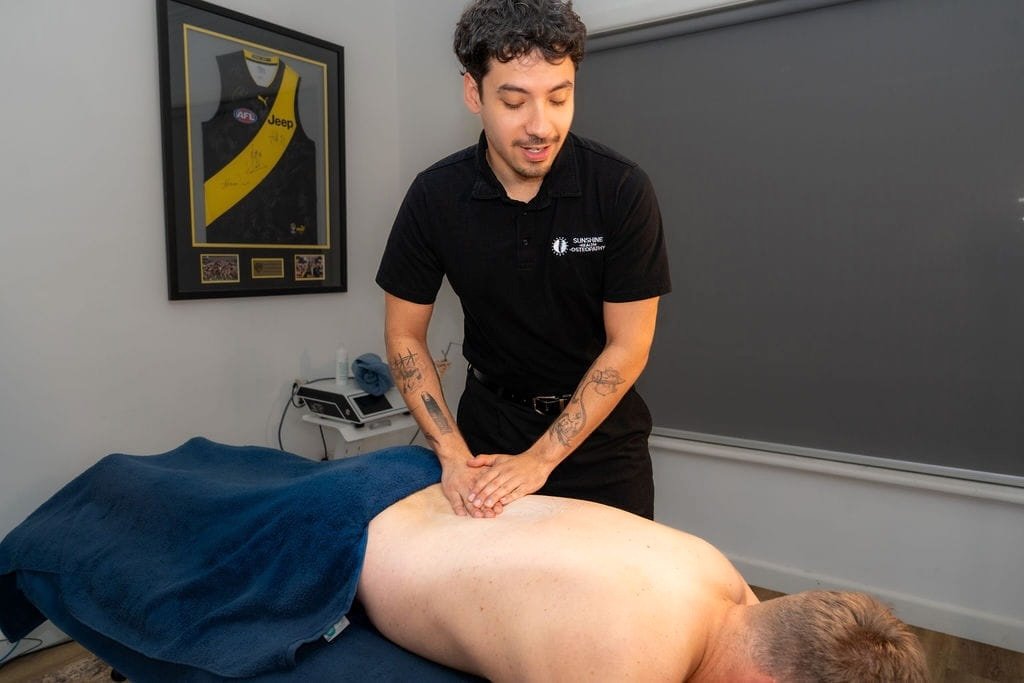
Osteopathic care can use hands-on treatment to address tension and mobility through the elbow, forearm and surrounding areas.
Your treatment may also include exercises and practical advice to gradually build strength and improve how your arm handles everyday loads.
If elbow pain is affecting work, sport or daily activities, book an assessment and start working towards more comfortable movement.


Elbow Pain Explained
Tennis elbow affects the tendons connecting the forearm muscles to the outside of the elbow, often causing pain during gripping, lifting, and repetitive arm movements.
-
Tennis elbow often develops when the forearm tendons are repeatedly loaded beyond what they’re used to handling.
Repetitive gripping
Manual or trade work
Racquet sports
Frequent tool use
Increased training or activity
-
Symptoms are usually felt around the outside of the elbow and may extend into the forearm.
Outer elbow pain or tenderness
Pain when gripping objects
Discomfort when lifting
Pain with wrist movements
Reduced grip strength
-
Tennis elbow can develop through work, sport or hobbies that repeatedly load the wrist and forearm.
Tennis and racquet sports
Gardening
Weight training
Painting and trade work
Repetitive computer or hand tasks
-
Osteopathy considers how your elbow, wrist and surrounding areas are functioning to identify factors that may be contributing to ongoing tendon irritation.
Hands-on treatment can help address muscle tension and joint restriction, while rehabilitation focuses on gradually improving strength and tolerance through the affected arm.
We’ll also provide practical guidance around aggravating activities and suitable exercises to help you return to work, training and everyday tasks more comfortably.
Your pain relief starts here.
Tennis elbow can linger when everyday gripping and repetitive tasks continue to irritate the area. Care is focused on settling sensitivity while helping your forearm gradually cope with the demands of work, exercise and daily life.
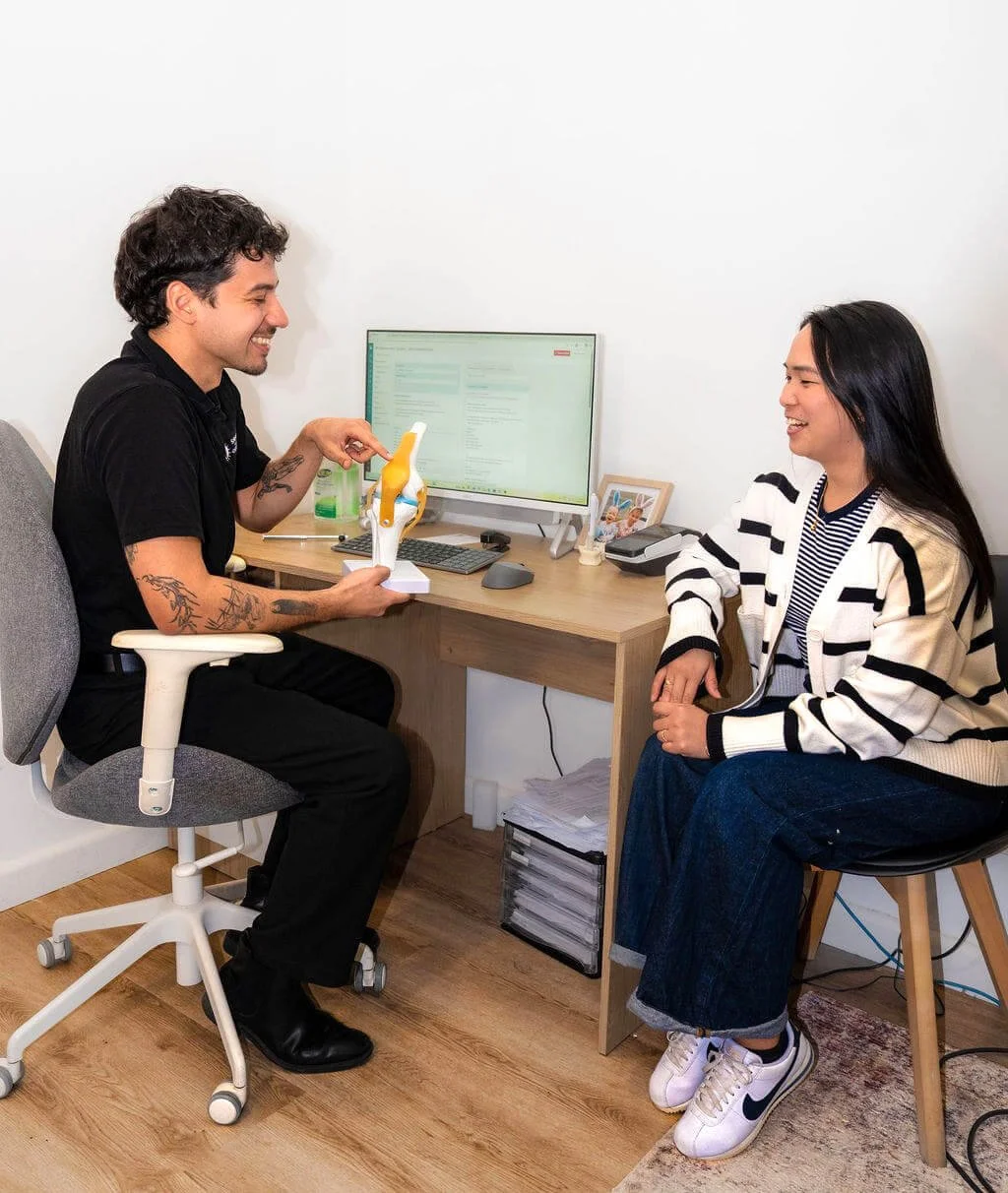
We’ll identify which movements are provoking your elbow and use those findings to guide treatment. Your plan may include hands-on techniques, activity adjustments and progressive strengthening exercises.
The aim is to build a more capable, comfortable arm without unnecessarily avoiding the things you enjoy. Book your tennis elbow assessment and take the next step towards recovery.
Osteopath Tennis Elbow FAQ
-
Yes. Tennis elbow is commonly linked to repeated gripping and forearm activity rather than tennis itself. Manual work, gym training, gardening and other repetitive tasks can all place additional load on the affected tendons.
-
The forearm muscles used for gripping attach near the outside of the elbow. When these tendons are sensitive, squeezing, carrying or holding objects can increase the load through the area and reproduce pain.
-
You may not need to stop using your arm completely. Adjusting activities that repeatedly aggravate symptoms while maintaining a manageable level of movement can help keep you active during recovery.
-
Strength is usually rebuilt gradually with exercises that load the forearm tendons at an appropriate level. As your arm adapts, resistance and activity can be progressed based on your symptoms and goals.
-
Recurring symptoms can happen when the demands placed on the tendon increase faster than its ability to tolerate them. Reviewing workload, technique, strength and recovery may help identify factors contributing to repeated flare-ups.
-
Consider an assessment when elbow pain persists, keeps returning or starts affecting your grip, work, exercise or daily activities. An assessment can also help determine whether another condition may be causing your symptoms.