Osteopath for Frozen Shoulder
Rated 5.0 by 100+ locals.
Shoulder stiffness doesn’t have to stop you.
Frozen shoulder often starts gradually, but as pain and stiffness build, everyday activities can become noticeably harder. Reaching into a cupboard, putting on clothes, or sleeping on your side may become uncomfortable.
Frozen shoulder can significantly restrict movement. An osteopathic assessment looks at your shoulder mobility, sensitivity, and surrounding areas.
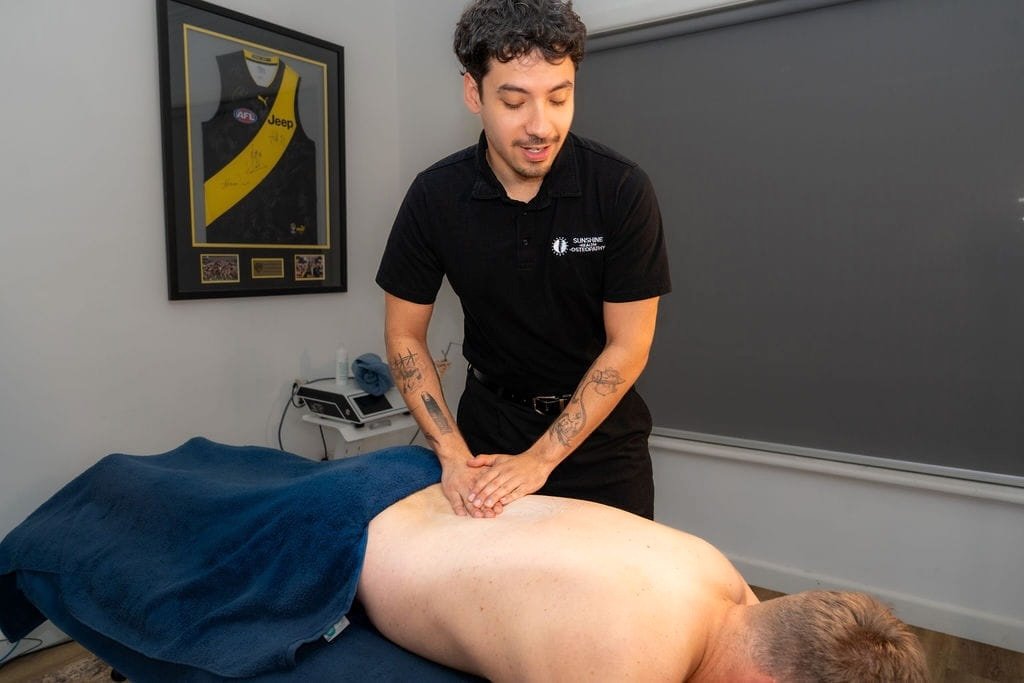
Our shoulder pain treatment uses gentle techniques tailored to your comfort, mobility and recovery needs.
As the condition changes, your treatment and exercises can be adjusted to help you progressively regain function without unnecessarily aggravating the shoulder.
If frozen shoulder is limiting your day, book an assessment to get personalised support through your recovery.


Frozen Shoulder Explained
The shoulder relies on several joints, muscles and tendons working together. Irritation or injury can make everyday movement uncomfortable.
-
Shoulder pain can arise from irritated tendons, joints, muscles or surrounding structures.
Rotator cuff problems
Tendon irritation
Bursitis
Muscle strains
Joint injuries
-
Frozen shoulder symptoms usually develop gradually and can become more noticeable as movement decreases.
Increasing shoulder stiffness
Pain with reaching or lifting
Reduced range of motion
Difficulty reaching behind your back
Pain or discomfort at night
-
As shoulder mobility becomes limited, other areas may work harder to compensate.
Neck and upper back tension
Reduced shoulder function
Difficulty dressing or reaching
Compensatory movement patterns
Difficulty with work or exercise
-
Osteopathy looks at how your shoulder and surrounding areas are moving to understand what may be contributing to pain and stiffness.
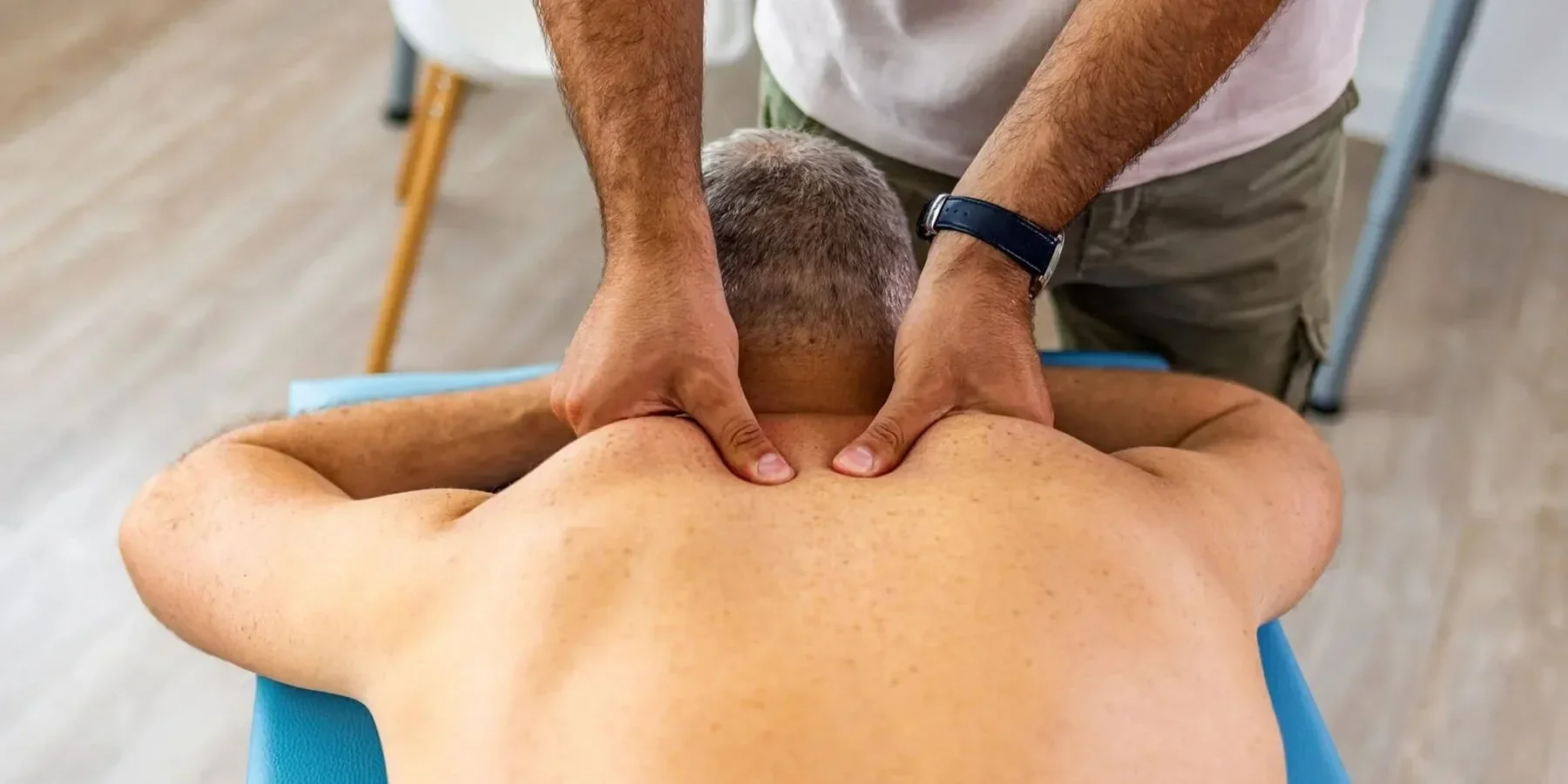
Your osteopath shoulder pain treatment may include gentle hands-on techniques to ease muscle tension, support joint mobility and make everyday shoulder movement more comfortable.
We’ll also provide practical advice and suitable exercises to support your recovery as your shoulder gradually regains movement.
Your recovery is our priority.
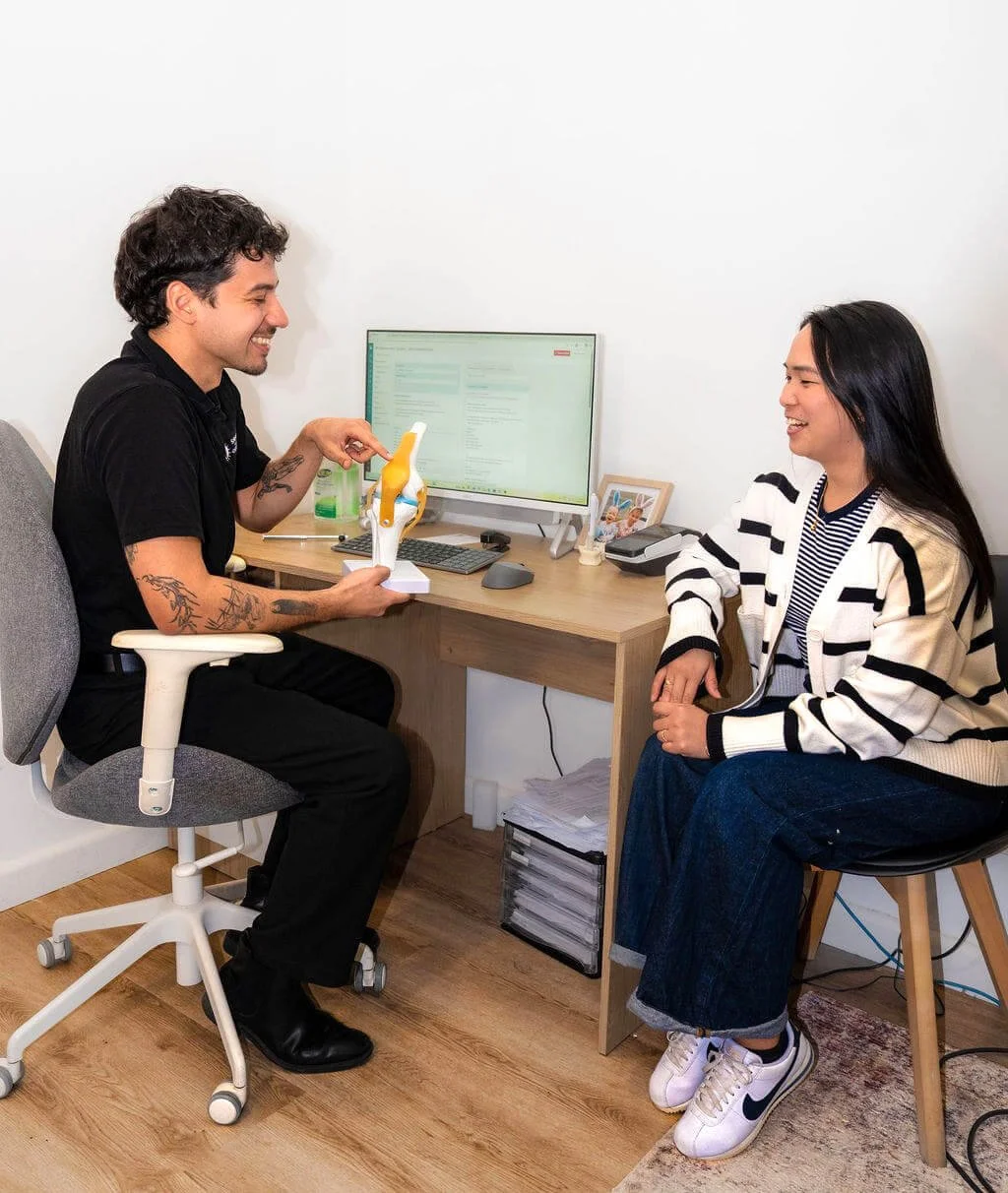
Frozen shoulder can affect everything from getting dressed to sleeping comfortably. Our osteopaths provide personalised care to help manage stiffness, maintain mobility, and support you through each stage of recovery.
Your osteopath for shoulder pain treatment may use gentle hands-on techniques to ease muscle tension, support joint mobility, and make everyday shoulder movement more comfortable.
Our focus is helping you gradually regain comfortable movement and confidence in your shoulder. Book your frozen shoulder assessment today and start working towards easier everyday movement.
Osteopath Frozen Shoulder FAQ
-
Lifting your arm places demand on several shoulder muscles, tendons and joints. Pain during this movement can have different causes, so assessment is useful when symptoms persist or repeatedly occur through the same range.
-
Yes. Some pain felt around the shoulder can originate from or be influenced by structures in the neck. Your osteopath may assess both areas when your symptoms suggest they could be related.
-
Lying directly on a sensitive shoulder can compress irritated structures and make discomfort more noticeable. Shoulder pain may also feel worse at night with conditions such as bursitis, tendon problems or frozen shoulder.
-
Appropriate movement is often useful, but repeatedly forcing painful ranges may aggravate symptoms. The right amount of movement depends on what’s causing your pain and how irritable the shoulder currently is.
-
Strengthening may form an important part of recovery for many shoulder problems. Exercises should be selected according to the structures involved and progressed at a level your shoulder can tolerate.
-
Consider an assessment if pain persists, movement becomes restricted, weakness develops or symptoms interfere with sleep and everyday activities. Sudden severe pain or significant loss of function following an injury should be assessed promptly.